your path to healthcare starts with cna classes near me
Open the Door to Your Future: A Complete Guide to CNA Education and Professional Opportunities
The journey to becoming a Certified Nursing Assistant (CNA) offers a pathway to a fulfilling profession in the healthcare field. This resource covers essential aspects such as finding accredited classes, learning about primary obligations, and working through the certification journey. With a focus on crucial skills and ongoing education, aspiring CNAs can explore a wide range of career options. However, the real question remains: what actions are needed to secure success in this critical position?
Take the First Step: Exploring CNA Courses
How does one begin the journey to pursuing a career as a Certified Nursing Assistant (CNA)? The journey typically involves researching accredited CNA programs that satisfy state guidelines. Aspiring candidates should evaluate factors such as cost, location, and course content. Numerous vocational schools, community colleges, and medical institutions offer these programs, with varying lengths and structures, including digital course formats.
Once programs are identified, individuals must verify their credentials by consulting state licensing boards for verification. Enrollment often requires a high school diploma or GED, along with health screenings and background verifications.
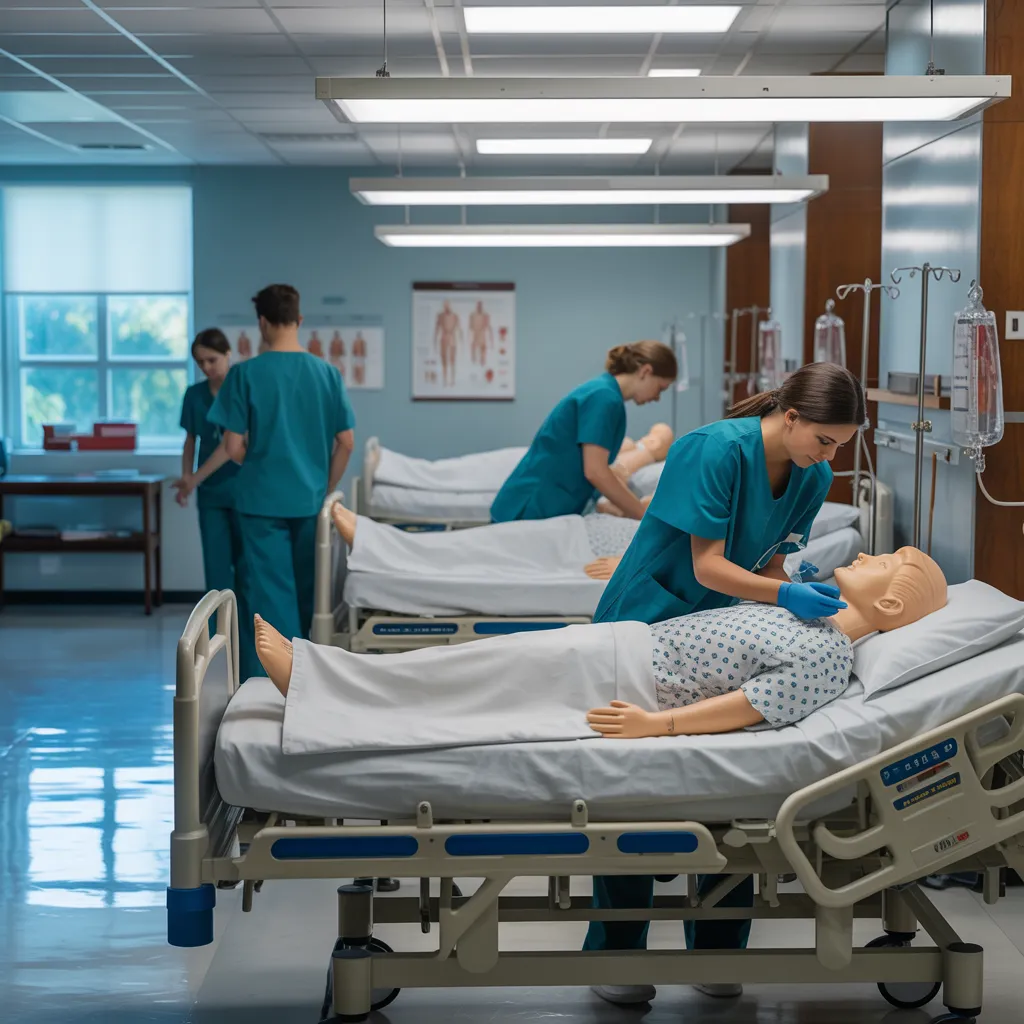
Once an appropriate program has been chosen, students will engage in both hands-on clinical training and classroom instruction, which is vital for building the skills required for patient care. This foundational step not only prepares individuals for the certification exam but also sets the stage for a meaningful and successful career in the medical field.
What Does a CNA Do and Why Consider This Career?
A Licensed Nursing Assistant serves a vital function in the health services industry by offering essential assistance to nursing staff and patients. Their duties encompass assisting with daily living activities, tracking patient well-being, and ensuring comfort. Embarking on a career as a CNA offers numerous benefits, including career stability, adaptable work hours, and opportunities for advancement in the healthcare industry.
Fundamental Responsibilities Of CNAs
Certified Nursing Assistants (CNAs) serve a vital role in the healthcare industry, offering critical assistance to both patients and nursing personnel. Their main functions involve supporting patients through routine activities like bathing, dressing, and grooming, maintaining patient comfort and dignity. CNAs track vital signs, communicate shifts in patients' conditions to the nursing staff, and assist with movement and physical therapy. They additionally record patient care details and copyright a clean and secure environment. In addition, CNAs often serve as a critical communication link between patients and healthcare professionals, advocating for patient needs and preferences. Their commitment and thoroughness significantly improve the standard of care in medical environments, establishing them as invaluable members of the healthcare team.
Perks Of CNA Careers
A career as a Certified Nursing Assistant (CNA) comes with a wide range of advantages, making it a compelling option for those entering the healthcare field. CNAs enjoy a high degree of job stability, given the growing need for qualified healthcare workers. This role provides opportunities for personal fulfillment through direct patient care, enabling Certified Nursing Assistants to positively influence the well-being of those in their care. Additionally, the career path offers flexible scheduling, making it an excellent fit for those with outside obligations. The role also opens doors for professional growth through additional training, creating pathways toward higher-level positions in healthcare. Strong pay and comprehensive benefits add to the overall value of this career path, allowing committed CNAs to experience both monetary and emotional gratification in their daily roles.
Primary Skills and Duties of a CNA
Developing core competencies and fulfilling critical responsibilities shape the role of a CNA. Certified Nursing Assistants are required to demonstrate excellent communication abilities, allowing them to successfully engage with patients, families, and medical teams. Compassion and empathy are essential, as they provide emotional support to individuals facing health challenges.
Moreover, CNAs are tasked with supporting patients through daily activities, such as personal hygiene, dressing, and meals, while preserving their comfort and sense of dignity. They are additionally expected to track vital signs and communicate any changes to the nursing staff, demonstrating attention to detail and analytical thinking.
Time management and organizational abilities are essential, as CNAs often handle numerous responsibilities in demanding work settings. Moreover, they must comply with hygiene and safety standards to safeguard both themselves and those in their care. By developing these abilities and meeting these obligations, CNAs make a significant contribution to providing exceptional patient care.
Understanding the CNA Certification Process
Steering through the CNA certification process requires a solid understanding of the specific requirements outlined by regulatory bodies. comprehensive resource This includes completing necessary coursework and satisfying clinical training hours. Successfully meeting these criteria is critical for aspiring CNAs to achieve their certification and progress professionally.
Understanding Certification Requirements
Grasping the licensing criteria for becoming a CNA (CNA) is essential for individuals pursuing nursing assistance. To secure certification, candidates are generally required to successfully complete a state-accredited training course covering both foundational theory and clinical competencies. Following this, individuals must pass a competency exam that consists of academic and hands-on evaluations. Each state has its specific regulations regarding the licensure process, including educational prerequisites, age criteria, and background screenings. It is important for candidates to carefully study their state's guidelines to confirm they meet all standards. Moreover, keeping credentials current often necessitates continuous learning and periodic renewals, highlighting the value of keeping up to date with any updates to compliance standards. This core awareness sets the stage for a rewarding profession in healthcare support.
Finishing Clinical Training
Completing clinical training is a fundamental step in the process to becoming a professional nursing assistant (CNA). This practical experience is essential for developing foundational abilities required in patient care. During clinical training, students are guided by the supervision of licensed professionals, experiencing real-world healthcare settings. They learn important techniques, such as monitoring patient vitals, assisting with personal hygiene, and understanding patient needs. Moreover, clinical training allows students to apply classroom-based knowledge acquired in the classroom, strengthening their familiarity with optimal care procedures. The successful fulfillment of this training is frequently a prerequisite for credentialing examinations. Ultimately, this experience equips future nursing assistants with the confidence and competence necessary to excel in their professional roles.
CNA Job Prospects and Work Environments
CNA job opportunities are diverse, providing numerous work environments suited to different interests and abilities. Certified Nursing Assistants can find employment in hospitals, nursing homes, assisted living facilities, and home health care, each presenting unique challenges and rewards. Within hospital settings, CNAs aid nursing staff through hands-on patient care and assistance with everyday tasks. Nursing homes and assisted living centers prioritize long-term care, giving CNAs the opportunity to cultivate lasting relationships with residents and elevate their quality of life. The home health care setting enables CNAs to operate with greater independence, offering tailored care directly in patients' homes. Additionally, some CNAs may find roles in rehabilitation centers, schools, or even hospice care, each requiring a compassionate approach and strong communication skills. This variety enables CNAs to select environments that align with their career goals and personal preferences, making the profession appealing to many individuals entering the healthcare field.
Helpful Tips for Starting Your Career as a CNA
Shifting into the role of a Certified Nursing Assistant can be both thrilling and difficult for those just starting out. To support a successful adjustment, it is critical to adopt certain strategies. Initially, understanding the workplace culture can significantly improve interactions with colleagues and patients. Watching carefully and inquiring helps new nursing assistants adjust to their surroundings.
Establishing a routine is also beneficial; it assists in managing time effectively and ensuring that all tasks are completed. Developing strong communication skills is crucial, as CNAs often serve as a bridge between patients and medical staff. Additionally, maintaining a positive attitude can foster a supportive atmosphere, creating positive outcomes for both the CNA and those they serve.
Finally seeking advice from skilled CNAs can offer meaningful guidance and actionable advice, making the changeover easier. By implementing these approaches, beginners can successfully take on their fresh obligations and excel in their careers as CNAs.
Continuing Education and Career Advancement for CNAs
Expanding knowledge through continuing education can significantly improve the career advancement of a CNA. By obtaining advanced credentials, CNAs can focus on fields including gerontology, pediatrics, or mental health, making them more competitive in the job market. Many employers prefer candidates with advanced training, which can lead to increased job security and higher wages.
Additionally, ongoing educational programs frequently provide valuable networking opportunities, linking CNAs with experienced professionals and mentors in the health sector. Attending seminars and conferences can likewise keep CNAs knowledgeable about the latest developments in patient care practices and industry regulations.
In addition, some CNAs choose to advance their careers by becoming licensed practical nurses (LPNs) or registered nurses (RNs), calling for further academic and professional training. This upward mobility not only improves personal satisfaction but also improves the overall level of care offered in healthcare facilities, thereby benefiting both patients and the wider community.
Commonly Asked Questions
What Is the Average Pay for a CNA?
The standard pay for a Certified Nursing Assistant commonly sits in the range of $25,000 to $35,000 each year, depending on factors such as location, experience, and the type of healthcare facility in which they work.
What Are the Age Requirements for Enrolling in CNA Classes?
Most states require students to be a minimum of 18 years of age to copyright for CNA classes. That said, some programs may accept students as young as age 16 with parental consent, providing early entry into the healthcare field.
How Long Do CNA Programs Typically Take to Complete?
CNA programs typically take between four to twelve weeks to complete, according to the institution and curriculum design. This period incorporates both in-class instruction and real-world clinical experience, preparing students for certification and employment.
Can I Be Employed as a CNA While Pursuing My Education?
Certainly, aspiring CNAs can work as a CNA while completing their education, given that they handle their time management well. Numerous programs provide adaptable scheduling options, allowing aspiring CNAs to gain practical experience alongside their education, strengthening their competencies and job readiness.
What Are Common Challenges Faced by New CNAs?
Novice CNAs frequently encounter challenges such as intense emotional pressures, physical wear and tear, time management difficulties, and managing complicated patient requirements. Furthermore, getting accustomed to high-speed work environments and managing interpersonal relationships with colleagues can prove especially challenging.